Untracked floor stock and weak procurement controls quietly inflate manufacturing COGS. Learn how PO-driven procurement eliminates inventory leakage.
TL;DR
- The Silent Profit Drain: Inventory leakage is an invisible inflation of COGS, often caused by the disconnect between procurement governance and floor-level stock movement.
- The Systemic Root Cause: Mid-market manufacturers struggle with “untracked floor stock”—materials that bypass formal Purchase Order (PO) workflows, creating “black holes” in financial visibility.
- Financial Risk: Controllers and CFOs face significant audit exposure and working capital distortion when procurement and inventory systems operate in silos.
- The Strategic Fix: Transitioning to a PO-driven procurement orchestration layer restores absolute control, ensuring every unit consumed is financially authorized and auditable.
Table of Contents
The Hidden Drain on Your Bottom Line: Why Stable Production Still Leads to Rising COGS
For many mid-market manufacturing Controllers and CFOs, the financial statements occasionally tell a confusing story: production volumes remain stable, yet Cost of Goods Sold (COGS) continues to creep upward.
This phenomenon is rarely the result of a single catastrophic event; instead, it is the result of inventory leakage—the silent, incremental loss of value through untracked materials and unmanaged floor stock.
When procurement systems and inventory management operate in silos, the resulting “gray areas” on the shop floor become a breeding ground for financial unpredictability.
Most industry discussions focus on high-level operational symptoms, but the true failure lies in procurement system design. Without a direct link between what is ordered and what is consumed, your EBITDA is at the mercy of uncontrolled inventory drawdown.
To determine if your organization is at risk, take this quick diagnostic: Can you trace every unit pulled from the floor to an approved PO?
If the answer is no, your organization is likely suffering from a lack of procurement governance, leading to COGS volatility, audit exposure, and working capital distortion.
What is Manufacturing Procurement?
To eliminate leakage, we must redefine the procurement function as a governance layer rather than a simple purchasing tool.
Manufacturing procurement is the structured process of sourcing, approving, and controlling materials and supplies used in production, ensuring every purchase is governed by policy, tied to demand, and financially auditable.
High-maturity manufacturing procurement is defined by three pillars:
- PO-driven workflows: Ensuring every commitment is authorized before spend occurs.
- Vendor and catalog standardization: Eliminating “maverick spend” and rogue floor stock.
- Finance-grade traceability: Providing a clear audit trail from request to consumption.
A Methodology for Eliminating Inventory Leakage
Stopping leakage requires moving beyond simple warehouse counting and addressing the system architecture of how goods are acquired. By shifting the focus to procurement orchestration, manufacturers can stabilize their financial outcomes.
Phase 1: Identify Inventory Leakage Points
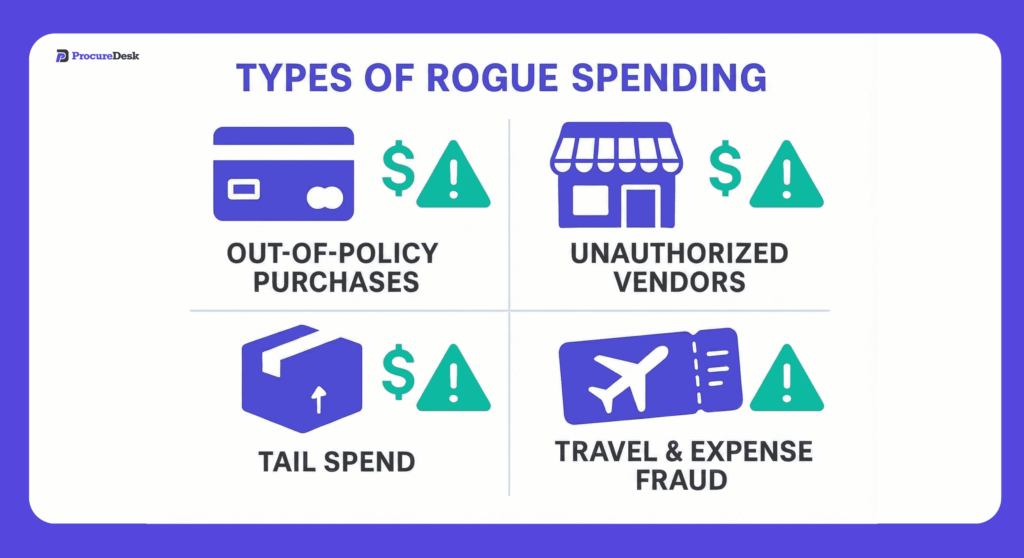
Leakage often occurs in the gaps between formal processes, specifically through untracked floor stock and “emergency buys” made on corporate cards. Without a procure-to-pay system, these items bypass the standard ledger until they appear as a variance during a physical count, distorting your working capital.
Phase 2: Enforce PO-to-Inventory Linkage
Control is established upstream. By ensuring every item enters the facility with a corresponding Purchase Order (PO), you create a digital orchestration layer for every physical asset. This linkage ensures that inventory levels are always matched against financial commitments in real-time, preventing uncontrolled drawdown.
Phase 3: Align Procurement Data with Financial Reporting
The final step is spend management, where procurement data feeds directly into financial reporting. This allows Controllers to see inventory-backed spend as it happens, rather than waiting for month-end reconciliation to uncover missing margins.
Strategic Comparison: The Power of Governance
| Metric | Without PO-Driven Control | With PO-Driven Inventory Control |
| COGS Volatility | High; driven by “hidden” floor stock usage. | Predictable; tied to approved procurement. |
| Audit Risk | Significant due to lack of traceability. | Minimal; full finance-grade audit trails. |
| Emergency Spend | Frequent; high use of unmanaged cards. | Low; managed via standardized catalogs. |
The ProcureDesk Advantage: Mastering Manufacturing Complexity
ProcureDesk acts as the strategic orchestration layer above your physical operations, ensuring that policy enforcement happens before payment—or even receipt—of goods.
Enforcing Upstream Governance
Instead of reacting to missing inventory, ProcureDesk enforces purchase order software protocols that require approvals before a spend commitment is made. This prevents the “hidden” accumulation of debt that often leads to budget overruns.
Replacing Informal Floor Stock with Standardized Catalogs
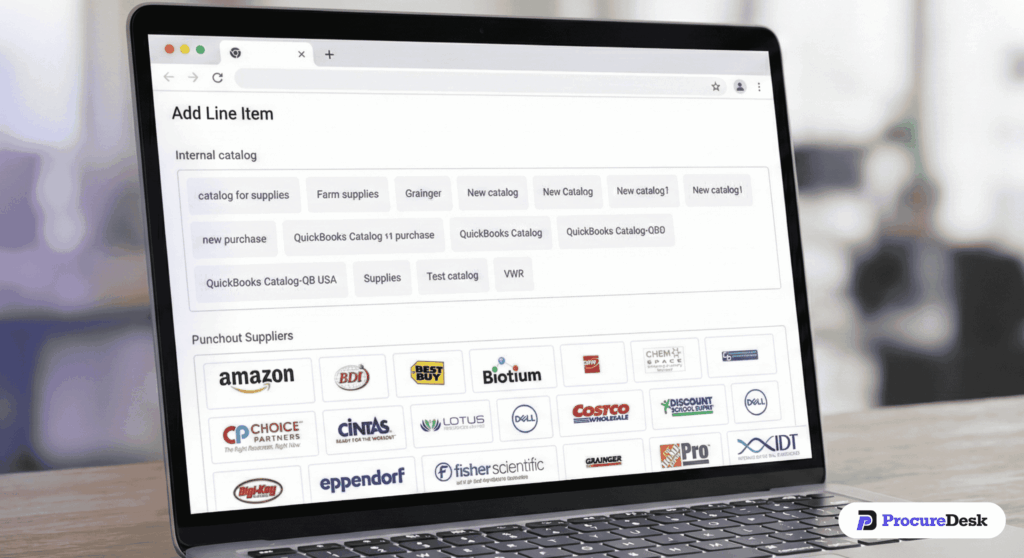
Leakage often stems from “convenience” buying. ProcureDesk replaces informal floor stock with standardized internal catalogs, ensuring users buy approved items from preferred vendors at negotiated rates, which directly impacts procurement cost savings.
Real-Time Financial Oversight for Controllers
For the Financial Strategist, ProcureDesk provides a spend visibility dashboard that tracks every dollar committed to inventory. This real-time visibility allows for predictable cash flow and more accurate EBITDA forecasting.
Modern Governance for Mid-Market Manufacturing
Building a resilient manufacturing procurement function in 2026 requires a shift from “tracking” to “orchestration”. By implementing a PO-driven procurement trail, you eliminate the “no-PO, no-pay” struggle and bring transparency to your working capital.
Expert Insights on Procurement Governance
To further refine your strategy, explore our resources on maintaining financial control in a modern manufacturing environment:
- Modern Governance: How to build your procurement function in 2026
- Real-Time Control: The 2026 Blueprint for Real-Time Budget Control
- Predictive Financials: How to Use PO Data to Predict Next Month’s Cash Outflow
- Strategic Oversight: 5 Procurement Mistakes Quietly Destroying Your Cash Flow
Stabilizing COGS Through Procurement Discipline
Inventory leakage is not merely a warehouse issue—it is a manufacturing procurement governance problem. When you eliminate uncontrolled inventory drawdown and replace it with a PO-driven architecture, you gain more than just “better tracking”; you gain predictable COGS, a healthier EBITDA, and an audit-ready organization.
The road to financial stability in manufacturing begins with process discipline and system orchestration. Stop letting inventory leakage drain your profits and transition to a system where every material movement is governed, authorized, and visible.
Ready to secure your supply chain? Request a Demo to see our manufacturing controls in action.